

🧠 EMDR Therapy Overview
Discover how EMDR therapy helps you process the trauma, shame, and emotional wounds that fuel porn addiction. Watch AIDA AI guide you through a complete session.

AI-guided EMDR therapy designed for porn addiction recovery. Process underlying trauma, neutralize triggers, and rewire your brain with bilateral stimulation.

Watch how this feature helps you on your recovery journey
Discover how EMDR therapy helps you process the trauma, shame, and emotional wounds that fuel porn addiction. Watch AIDA AI guide you through a complete session.
EMDR (Eye Movement Desensitization and Reprocessing) is one of the most effective trauma therapies ever developed. Originally created to treat PTSD, it's now recognized as a powerful tool for addiction recovery - because addiction is almost always rooted in unprocessed emotional pain.
Here's the truth most people don't talk about: porn addiction isn't really about porn. It's about escaping - escaping stress, loneliness, shame, anxiety, boredom, or past trauma. Until you process the underlying emotional wounds, you're just white-knuckling your way through recovery, fighting urges that never lose their power.
EMDR works by using bilateral stimulation (alternating left-right input through your eyes, ears, or body) while you focus on distressing memories or triggers. This activates both hemispheres of your brain simultaneously, allowing you to reprocess traumatic material and strip away its emotional charge. What once triggered overwhelming urges becomes just... a memory.
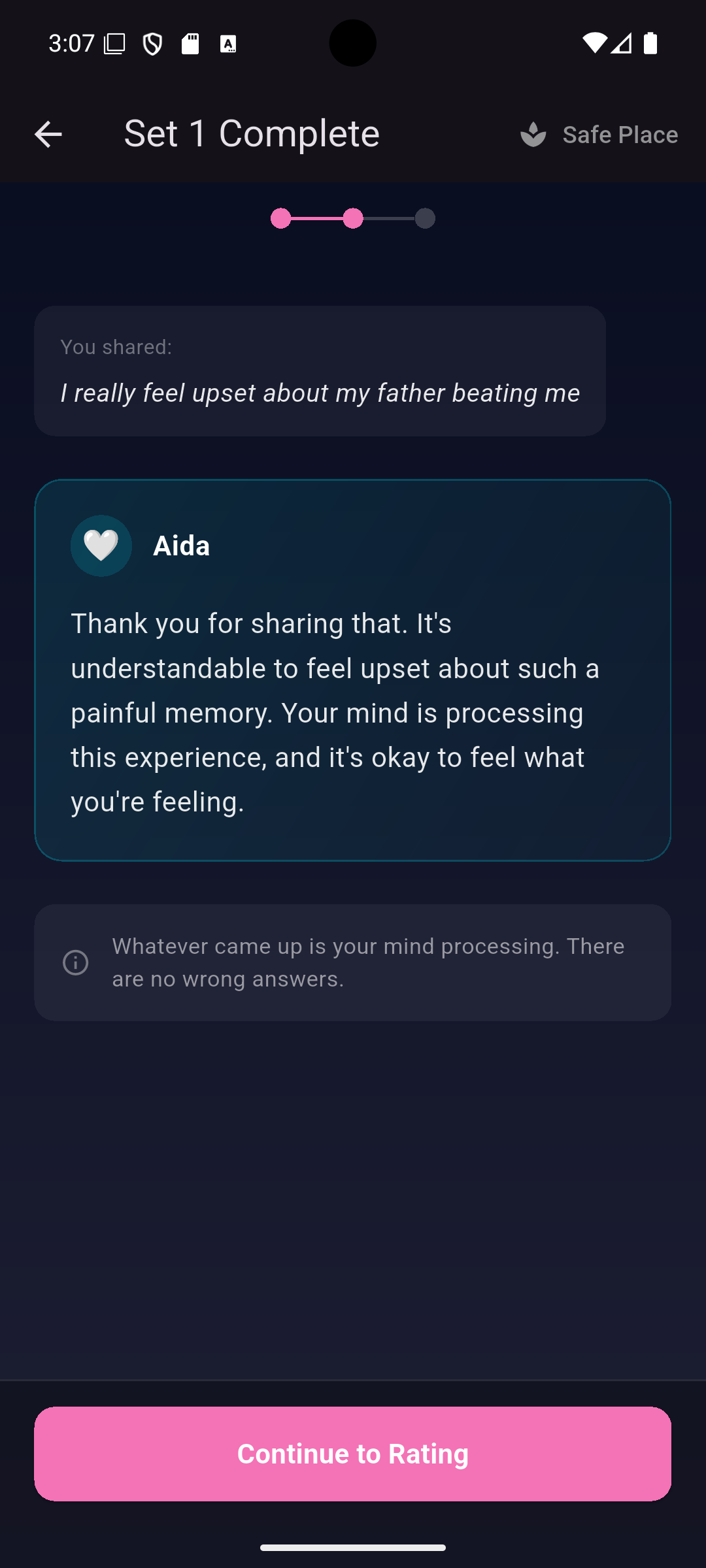
NoCorn's EMDR feature is guided by AIDA, your AI recovery companion. AIDA listens to what you're struggling with and guides you through personalized EMDR sessions - no therapist appointment needed. Process shame from past relapses, neutralize specific triggers, build a mental Safe Place, and install new beliefs about yourself and your recovery.
Porn addiction is a symptom, not the disease. EMDR helps you process the underlying trauma, shame, and emotional wounds that drive compulsive behavior in the first place.
AIDA AI listens to your specific struggles and guides you through personalized EMDR protocols. It's like having a trauma-informed therapist available 24/7 in your pocket.
That specific situation, image, or emotion that always leads to relapse? EMDR can desensitize it, stripping away its power until it no longer controls you.
Replace 'I'm broken' with 'I'm healing.' EMDR's belief installation phase helps you internalize new, empowering beliefs at a deep neurological level.
Research increasingly shows that addiction and trauma are deeply intertwined. Studies estimate that 60-80% of people with addiction have experienced significant trauma. Porn addiction specifically is often fueled by shame, anxiety, loneliness, and unprocessed emotional pain from childhood or past experiences.
EMDR is an evidence-based therapy recognized by the World Health Organization and the American Psychological Association for trauma treatment. It works by activating the brain's natural healing processes through bilateral stimulation while focusing on distressing material. The result: traumatic memories lose their emotional charge, triggers lose their power, and new, healthier beliefs can take root.
For porn addiction recovery, EMDR addresses what willpower alone cannot: the underlying emotional drivers that make you seek escape in the first place. By processing shame, trauma, and installing new beliefs about yourself and your sexuality, EMDR creates lasting change at the neurological level.
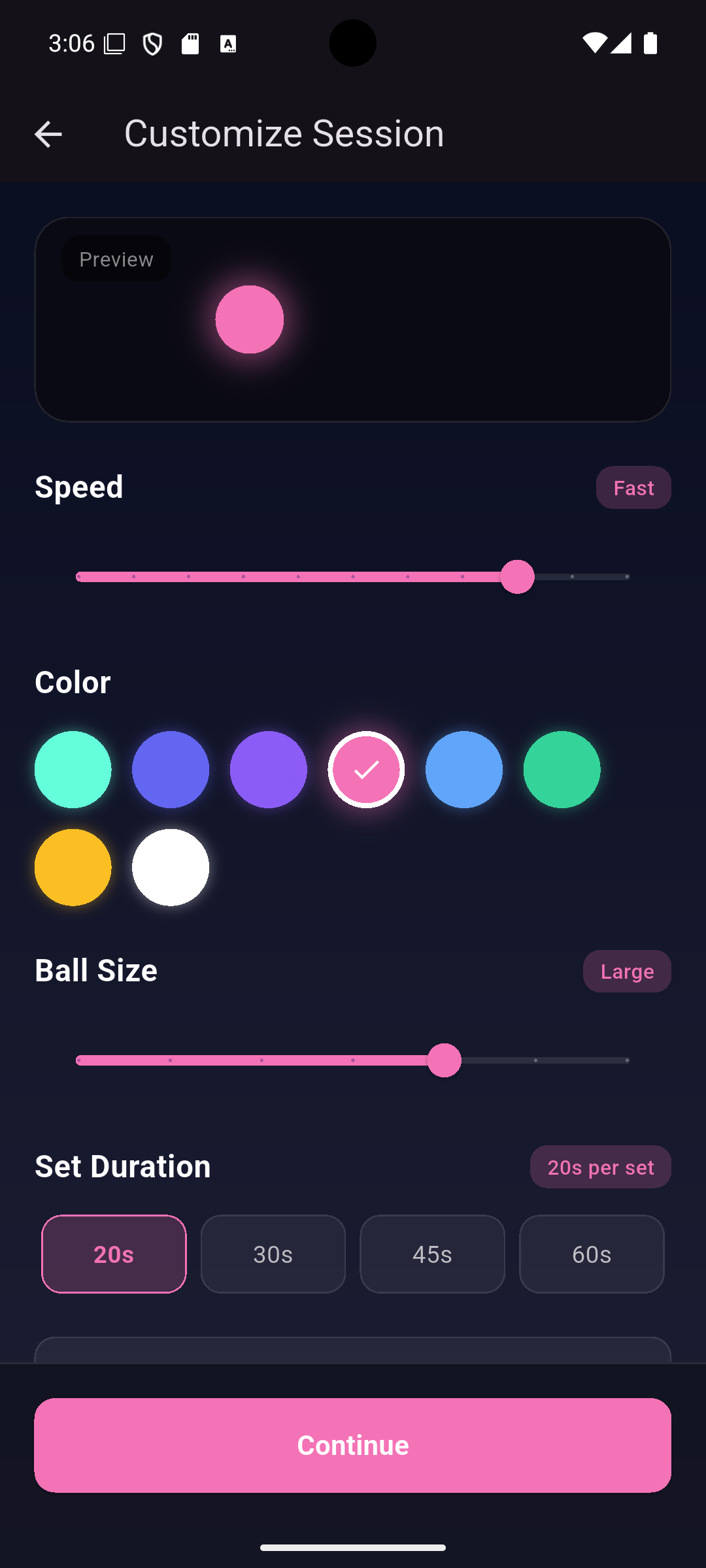
Follow a moving ball with your eyes as it travels left to right across your screen. This is the classic EMDR method, mimicking the bilateral eye movements used in clinical sessions. Customize ball speed, size, and color to your comfort level.
Fully customizable
Alternating tones play in your left and right ears, stimulating both brain hemispheres. Perfect for sessions when you want to close your eyes or combine with visualization. Use headphones for best effect.
Requires headphones
Your phone vibrates in alternating patterns, providing tactile bilateral stimulation. Hold your phone or place it against your body. Great combined with audio, or when you need a discreet option.
Combine with audio
Layer visual, audio, and haptic stimulation together for maximum bilateral activation. AIDA will guide you on when combined stimulation is most effective for processing intense material.
Maximum intensity
AIDA doesn't just run you through generic scripts. She listens to what you're struggling with - a specific trigger, a shameful memory, anxiety about recovery - and crafts a session tailored to your needs. Tell her about a relapse, and she'll guide you through processing the shame. Mention a trigger, and she'll help you desensitize it.
Before processing difficult material, AIDA guides you through creating a mental "Safe Place" - a vivid, peaceful visualization you can return to whenever you feel overwhelmed. This is standard EMDR protocol, ensuring you always have a grounding anchor during intense sessions.
The final phase of EMDR is installing positive beliefs to replace negative ones. AIDA helps you identify the limiting beliefs driving your addiction ("I'm worthless," "I can't control myself," "I'll never recover") and systematically replace them with empowering truths using bilateral stimulation.
Every relapse follows a pattern: trigger → emotional discomfort → urge → action. EMDR targets the emotional charge of your triggers. That feeling of loneliness that always leads to porn? That stress after a hard day? EMDR can reduce their intensity until they no longer automatically lead to urges.
Shame is the engine of addiction. You use porn to escape pain, feel shame afterward, then use porn to escape that shame. EMDR breaks this cycle by processing shame at its root - not through logic, but through deep neurological reprocessing. When shame loses its grip, the cycle loses its power.
Many people with porn addiction have experienced trauma - childhood wounds, neglect, abuse, bullying, rejection, or other painful experiences that never fully healed. These wounds create the emotional pain you're escaping. EMDR is one of the most effective trauma treatments ever developed, allowing you to finally process what you've been running from.
Addiction creates neural pathways - the more you repeat a behavior, the more automatic it becomes. EMDR creates new pathways. By processing triggers and installing new beliefs while in a state of bilateral stimulation, you're literally rewiring how your brain responds to situations that used to lead to relapse.
Create a vivid mental sanctuary you can access anytime you feel overwhelmed. AIDA guides you through building this visualization with all five senses, then strengthens it with bilateral stimulation. Essential foundation for all other EMDR work.
Target specific triggers - visual, emotional, situational - and systematically reduce their power. AIDA helps you identify the trigger, find its root, and process it until it no longer automatically leads to urges.
Process the shame from past relapses, years of addiction, or things you've done while addicted. Instead of pushing shame down (where it fuels more addiction), EMDR helps you process and release it.
Replace limiting beliefs with empowering ones. "I'm broken" becomes "I'm healing." "I can't control myself" becomes "I choose my actions." Bilateral stimulation helps new beliefs take root at a deep level.
NoCorn is being built for people like you, by someone who's been where you are. As a founding member, your feedback and feature requests will directly shape what we build next. Join the waitlist and be part of something meaningful.
Join the Waitlist